Hands-On Skills for Cleaner Laser Engraver Fume Extraction
Introduction
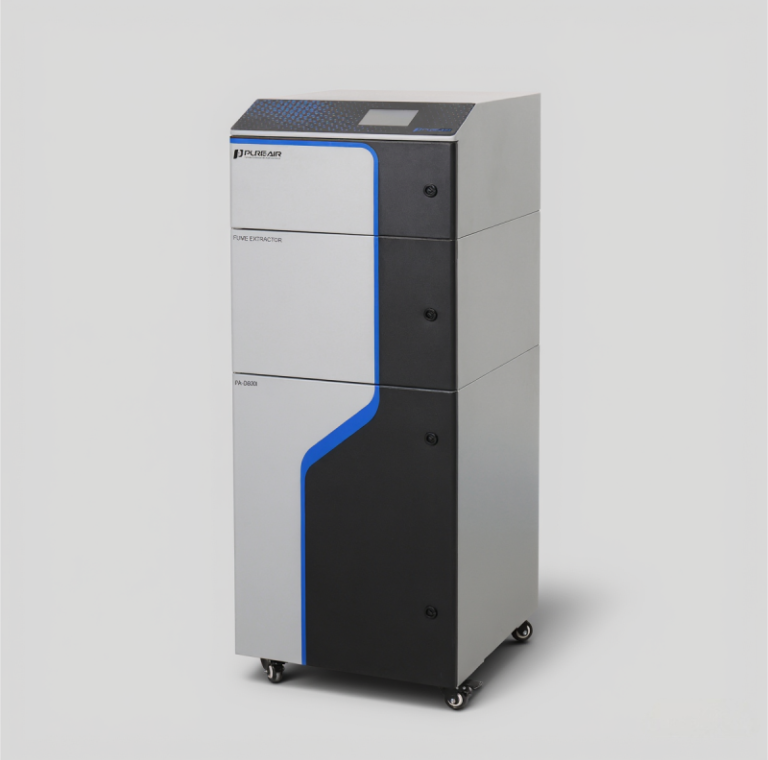
I once walked into a small sign shop where the owner waved off fumes like they were nothing — been there, right? In that shop they had a laser engraver fume extractor by the bench, but readings still showed elevated particles (PM2.5 spiked over 100 µg/m³ on a busy day). So I asked: are we fixing the real problem or just making noise? This piece looks at the real, everyday choices people make when dealing with fumes from plastics and composites — a bit of local common sense mixed with practical steps. Let’s peel this apart and see what matters next.
Deep Dive: Hidden Pain Points in plastic fume extraction
What’s really failing?
Too often the filter is blamed, but I’ve found the real trouble hides in workflow and assumptions. In many workshops, extraction ducts are undersized, and airflow velocity drops when a machine door opens. The so-called “power converter” or fan may be rated fine on paper but then loses efficiency after a month of dust. I’m frank about this: you can buy the best HEPA filter and still have smoke lingering if the duct layout is poor. Look, it’s simpler than you think — bad placement beats good filters every time.
Let me be concrete. First, users mix materials without adjusting extraction settings; different plastics release different volatiles, and activated carbon stages might be needed for odour and VOCs. Second, maintenance is skipped. Filters clog, fans strain, and extraction hoods collect grease. Third, monitoring is rare — people rarely check actual airflow, and so they miss slow degradations. I’ve seen a shop where extraction dropped 40% in two months because lint built up at elbows in the duct. — funny how that works, right? These are the real pain points, not just filter brand names.
Looking Ahead: New Technology and Practical Choices
What’s Next — smarter or simpler?
We’re at a point where better design can make a real difference. Modern systems pair basic sensors with decent control logic so extraction responds to load. For workshops thinking about upgrades, consider solutions that combine reliable HEPA filtration with modular activated carbon stages and simple airflow meters. Also, don’t ignore the basics: a well-sized extraction duct and a correctly placed fume hood outperform flashy features when you’re on a budget. I recommend planning for measurable metrics — not promises.
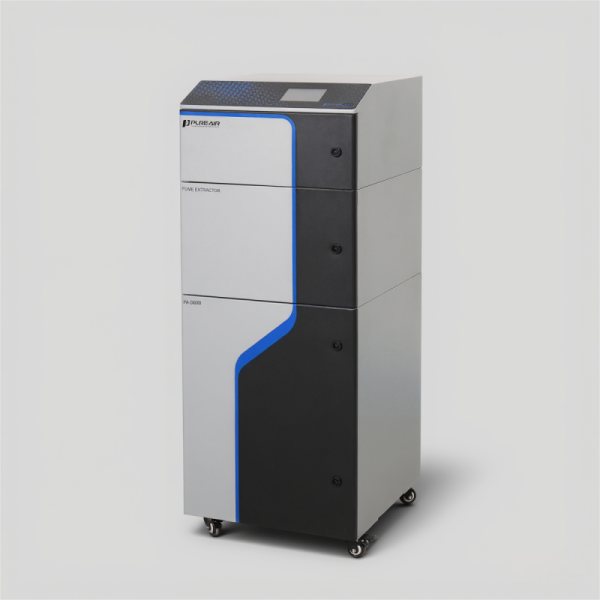 Here are three quick evaluation metrics I use when choosing systems: 1) actual measured airflow at the hood (not just fan rating), 2) filter stage composition (HEPA + activated carbon if you run plastics), and 3) ease of maintenance (filter swaps, access to extraction duct). Use those to compare vendors and installations. We’ve tested a few setups where smart throttling saved power and kept air clear, but the gains were only real after fixing ductwork and training staff. Small steps, honest results — and yes, simple wins matter. For practical, tested options, I often point people to firms that balance tech with service like PURE-AIR.