Smart, Sustainable Gardening: Practical Steps to Elevate Home Outdoors
Practical, hands-on guidance to elevate your outdoor spaces with sustainable gardening, smart tools, and thoughtful decor that blends interior comfort with exterior charm.
Designing a Cohesive Outdoor-Indoor Flow
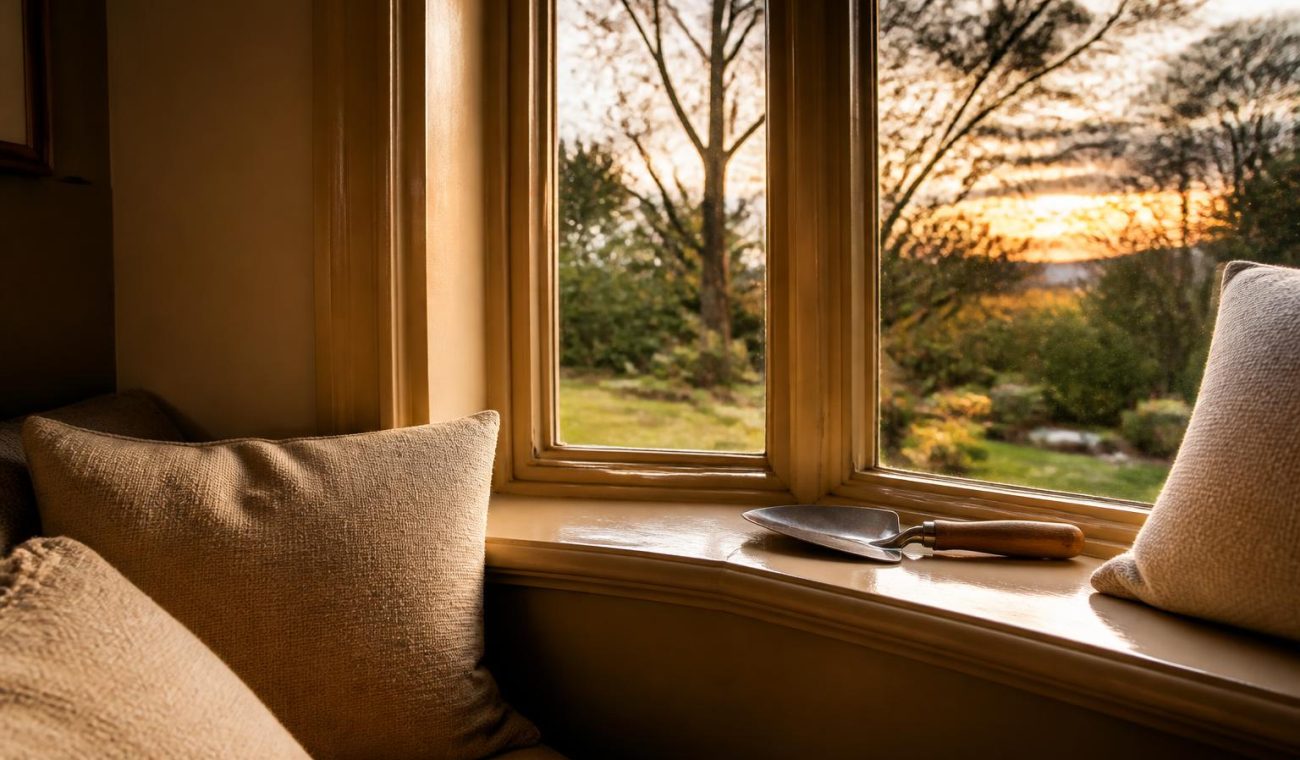
Creating a seamless transition between interior living spaces and the garden begins with thoughtful layout and durable materials. Start by choosing plants and pathways that echo the color palette and textures found inside your home, reinforcing a sense of flow from room to yard. Prioritize low-maintenance species that thrive in your climate, and use garden furniture that mirrors indoor comfort with weather-resistant fabrics and ergonomic design, ensuring long-term enjoyment in all seasons. automatic lawn mower should be integrated as part of a larger plan that respects both aesthetics and practicality.
In practice, this means aligning scale and proportion: a compact patio extends from the living area, while trellises and borders create intimate zones within the yard. Pair soft, herbaceous textures with architectural features like stone edging or timber decking to ground the space. Consider how daily routines—coffee on the balcony, kids’ play, or evening gatherings—translate into a garden that supports those moments with reliable shade, fragrance, and tactile variety.
Choosing Plants for Color, Texture, and Ease
A resilient garden begins with a curated plant list that balances color, texture, and maintenance needs. Include evergreen structure for year-round interest, perennials for repeated blooms, and a few annuals for seasonal pops of color. Group plants by water needs and sun exposure, then layer heights from groundcovers to tall backdrops so views remain rich from every angle. When selecting species, favor native or well-adapted varieties to minimize water use and reduce pest pressure.
Seasonal planning matters as well: map in spring bloom sequences so there is continuous color from early spring through late autumn. Incorporate fragrant varieties near seating areas and entryways to enhance the sensory experience without overpowering other decor elements. Keep a simple rotation of potted specimens to refresh drapery-like foliage and introduce new texture, while maintaining overall harmony with the interior’s color scheme and decor style.
Soil Health and Water Efficiency
Healthy soil underpins every thriving landscape, so begin with a soil test to guide amendments that improve structure, drainage, and fertility. Add organic matter like compost or well-rotted manure to boost microbial activity and nutrient availability. Practice mulching to conserve moisture, suppress weeds, and stabilize soil temperature, and install a rain barrel to capture runoff for use during dry spells, reducing utility costs while supporting lush plant growth.
Water-wise strategies should focus on efficiency and timing: water deeply and less frequently to encourage deep root systems, irrigate in the early morning to minimize evaporation, and use drip irrigation where possible to deliver moisture directly to root zones. Regularly monitor plant health and soil moisture to avoid overwatering, which can lead to disease and nutrient leaching, and adjust schedules with seasonal shifts to maintain vigor.
Hardscaping for Function and Form
Solid, well-planned hardscaping anchors a garden’s structure and provides reliable surfaces for movement and furniture placement. Use permeable surfaces to reduce runoff and improve groundwater recharge, and choose materials that complement the home’s exterior while withstanding weather exposure. Include defined transitions between zones, such as a gravel path guiding visitors from entry to seating areas, while still promoting a sense of openness and airflow.
Incorporate practical elements like raised beds for vegetables or herbs, which simplify maintenance and improve accessibility. Consider integrating a small water feature or sculpture to add focal points that draw the eye and invite lingering, all while keeping the look aligned with the interior’s decor sensibilities and color choices.
Lighting and Ambience for Evening Living
Outdoor lighting should extend usability and ambiance without overpowering the natural beauty of the garden. Layered lighting—path lights for safety, uplights for trees, and warm accents near seating—creates depth and highlights architectural features. Select fixtures with durable finishes that resist corrosion and match the home’s hardware, ensuring a cohesive aesthetic that feels intentional after dusk.
Smart controls can elevate convenience and energy efficiency, enabling scenes that transition from entertaining to quiet evenings. Dimmed, color-neutral lighting can soften boundaries between interior and exterior spaces, while subtle illumination on pathways improves safety. Use timers or sensors to reduce waste and encourage an outdoor mood that mirrors the calm of interior decor.
Furniture Arrangement and Indoor-Outdoor Comfort
Choosing outdoor furniture with an interior-grade sense of comfort elevates the entire garden experience. Opt for modular seating that can be rearranged to accommodate gatherings or intimate conversations, and select weatherproof fabrics that maintain color and texture over time. Place cushions and throws in colors that echo interior textiles for a unified look that reinforces the home’s decor narrative.
Create zones for different activities: a dining corner for alfresco meals, a quiet lounge for reading, and a sunny patch for sun-loving plants and guests. Accessorize with soft lighting, outdoor rugs, and planters that mirror the home’s style. Thoughtful placement and durable materials ensure the space remains inviting through seasons and weather, while still feeling like an extension of the interior living area.
Maintenance Routines that Protect Investment
Establish a simple, scalable maintenance plan that fits your schedule without becoming overwhelming. Monthly tasks might include pruning, fertilizer applications, and checking irrigation components for leaks or clogs. A seasonal calendar helps you anticipate plant needs, mulch replenishment, and cleaning duties for furniture and surfaces, ensuring the garden remains inviting and healthy year-round.
Delegate responsibilities where possible to maintain consistency and avoid neglect. Record observations about plant performance and soil moisture so you can refine your approach over time. A well-documented routine reduces guesswork, preserves the garden’s curb appeal, and preserves the decor-driven cohesion between home and landscape.
Texture and Accent Elements
- Layered materials like stone, wood, and metal create tactile interest.
- Textiles and ceramics echo interior accents to unify spaces.
- Vertical elements such as trellises add height and drama.
Seasonal Transitions and Long-Term Vision
Plan for seasonal transitions by selecting plants with season-extending foliage and color, ensuring the garden stays engaging even as weather shifts. Maintain a cohesive palette that aligns with interior decor, so seasonal changes feel intentional rather than abrupt. A long-term vision should include opportunities for expansion, new plantings, and evolving furniture arrangements to reflect changing tastes and lifestyle needs.
Document progress with photos and notes, then revisit your plan annually to adapt to new pests, weather patterns, or budget changes. A mindful approach to seasons helps you maintain an outdoor space that remains comfortable, functional, and aesthetically aligned with home improvement goals. With care, your garden becomes a living extension of interior mood and decor, rather than a separate project.
Keep reading
 Home
Home
Practical Garden Transformations: A Step-by-Step Guide to Harmonizing Outdoor Spaces with Interior-Inspired Decor
 Home
Home
Seasonal Upkeep: A Practical Guide to Year-Round Garden and Home Care
 Home
Home