An Expert Framework for Sourcing, Shipping, and Installing Heavy-Duty Flow Rider Machines
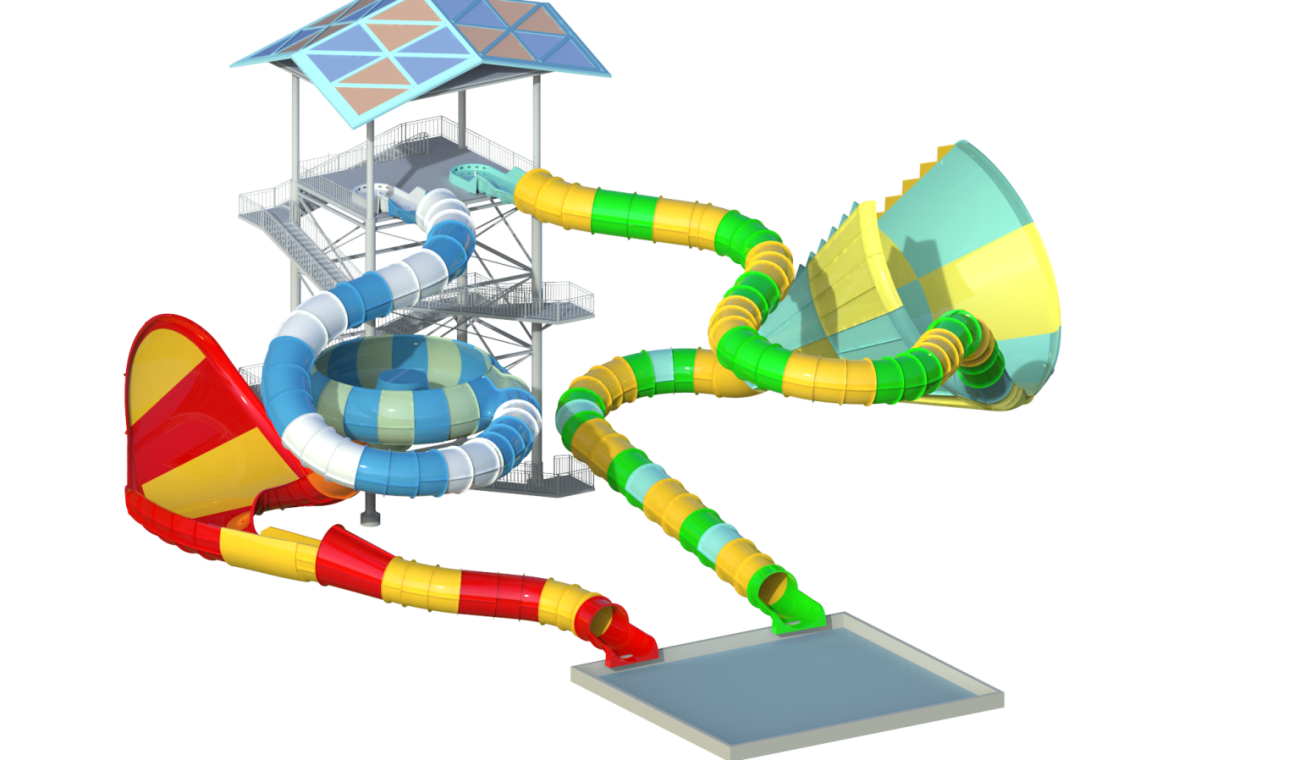
Why a framework matters — a reflective take
I've seen a dozen parks try to bolt a flow rider onto luck and enthusiasm alone; it rarely ends well. A framework helps you see procurement, logistics, and site-readiness as three linked stages, not separate chores. Start with the right suppliers of water park equipment, and much of the downstream friction disappears. Think throughput, structural capacity, and serviceability from day one.
Sourcing: what to demand from suppliers
Years of watching contractors taught me one thing: specs win contracts, not charm. Insist on clear load-bearing frame details, explicit flow rate capabilities, and a parts list that names hydraulic pumps and surf foil components. Ask for factory acceptance tests, photographed sub-assemblies, and a maintenance manual that includes torque settings and steel grades. When a vendor mentions compatibility with a nearby splash tower, check that claim — proximity affects pumping systems and water chemistry management.
Shipping and logistics: the practical checklist
Heavy-duty flow riders arrive in many crates and one timetable. Plan for clearances, crane time, and floor loading well before the truck shows up. Confirm palletized weights and oversized dimensions; request blocking diagrams from the manufacturer so you can pre-book lift equipment. Customs paperwork must match the crankshaft and hydraulic pump nomenclature exactly to avoid delays. If your site is urban — or a resort near a major park like Schlitterbahn in New Braunfels — coordinate street closures and staging yards early. Small delays compound into big costs.
Site prep and installation: a stepwise approach
Prepare a solid concrete pad with embedded anchors to the manufacturer's specified depths and rebar patterns. Plumbing runs must be sized for the indicated flow rate; undersized piping creates noisy cavitation and poor rider performance. Test the electrical service under simulated load before the final install — and verify grounding and emergency stop circuits. During my installations, we kept a single installer team for the structural work and another for the hydraulic and control systems — fewer handoffs, fewer surprises.
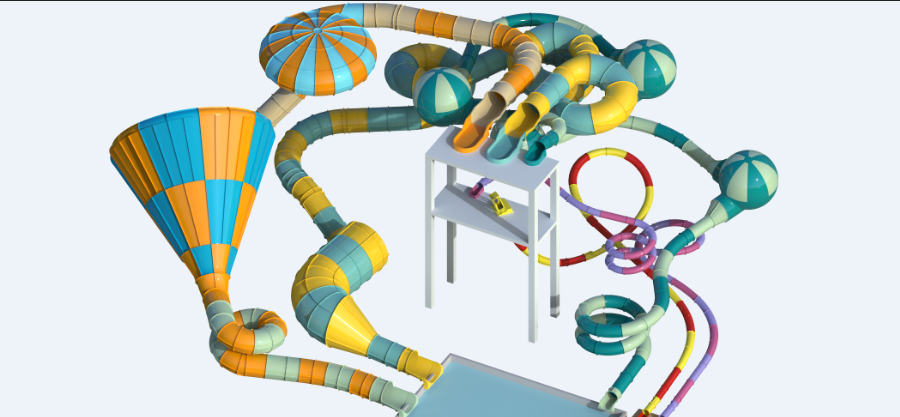 Operational production teardown — what to inspect and why
When you unpack the machine, proceed through an operational production teardown: verify weld integrity, inspect bearings, and confirm the calibrated pump output. Log each acceptance step. For clarity: {main_keyword} should appear on the packing list if it’s critical to operation, and {variation_keyword} should be recorded in the spare parts inventory. These two entries prevent last-minute procurement scramble and provide a paper trail for warranty claims.
Common mistakes and how to avoid them
Teams often underestimate maintenance access and overestimate staff familiarity with surf systems. They leave shutoff valves buried — then spend weeks digging to isolate leaks. They accept a generic control panel that lacks clear labeling, which creates safety lag during power cycles. — Plan routing for routine service, and require labeled schematics from the start. A small upfront ask saves hours of downtime later.
Comparing alternatives and vendor selection
Not all flow riders are the same: some emphasize raw wave energy, others prioritize low-maintenance recirculation. Compare total cost of ownership, not sticker price. Calculate expected annual downtime and factor in parts lead times. Request references and visit an installed unit where possible; seeing a machine under load reveals much more about real uptime than glossy datasheets. That site visit is also an ideal place to validate claims about throughput and pump efficiency.
Golden rules for evaluation (three metrics)
1) Structural compliance: Confirm anchor patterns, concrete strength, and load-bearing frame calculations against locally stamped drawings. 2) Hydraulic performance: Verify measured flow rate and pump head under simulated load conditions; insist on vibration and thermal run-in tests. 3) Serviceability score: Rate access to wear parts, modularity of the surf foil, and spare-part lead times — pick the vendor with the shortest critical-part delivery promise.
Those three golden rules steer you away from short-term savings and toward long-term uptime. My years on the job taught me to favor clarity over promises — and that clarity usually points back to trustworthy documentation and tested components. Dalang. –