Creating a Year-Round Water Garden: Plant Choices, Positioning, and Care
A practical guide to building and maintaining a pond-friendly garden with water lilies, marginal plants, and British pond varieties across seasons.
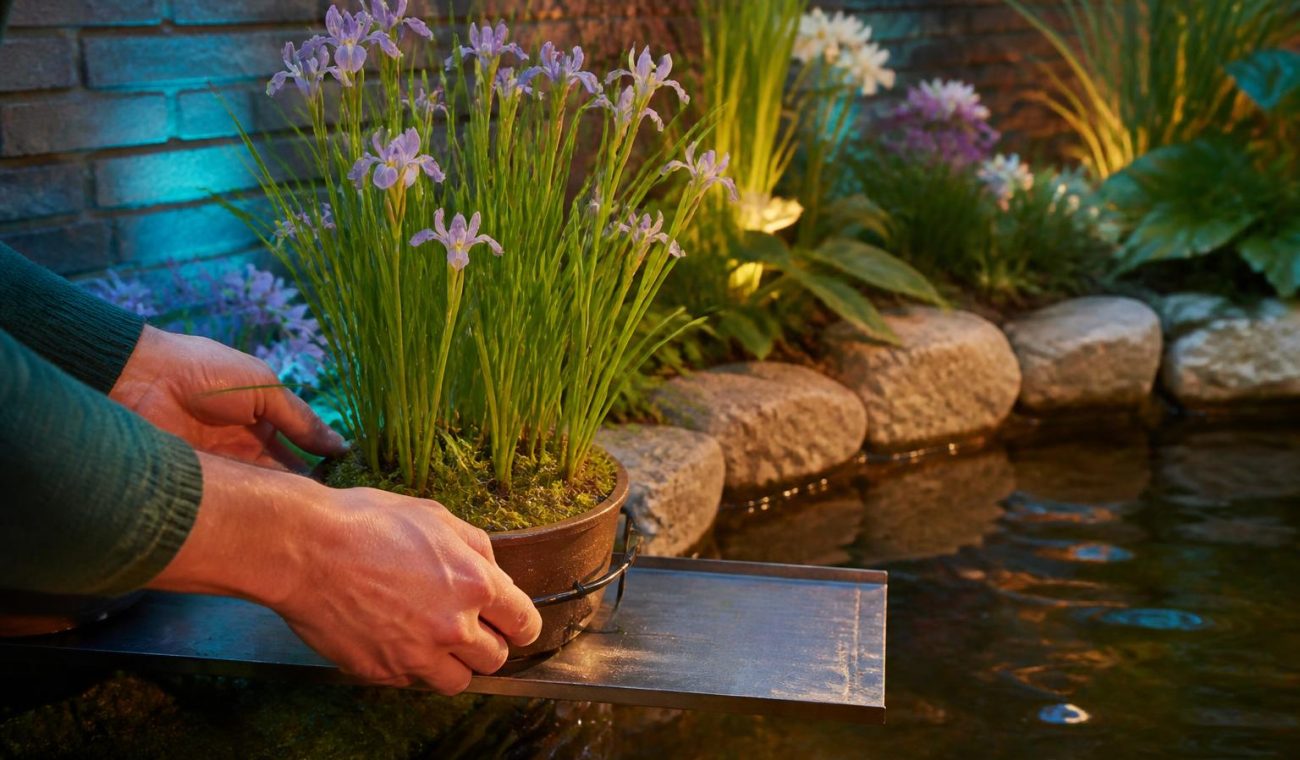
Planning a balanced pond setup for four seasons
When designing a pond space, start by mapping sun exposure, depth, and soil type to support a diverse range of pond plants. Choose a shallow marginal bed for emergent species and a deeper basin for rooted plants, ensuring a gentle slope for accessibility. For color and structure, a few classic British pond plants can bridge the seasonal gaps while requiring manageable maintenance. Water Lilies provide a focal point early in spring and help shade the water to limit algal growth as temperatures rise.
Next, delineate zones within the water feature: a tight grouping of robust water lilies at the deep end, surrounded by mid-range marginals that tolerate shifting water levels, and a bank of low-lying groundcover plants along the edges. This layered approach creates year-round interest, supports wildlife, and makes routine upkeep easier. Expect to adjust plant placement after the first growing season as roots expand and leaves spread outward.
Choosing pond plant varieties for resilience and texture
Selection should emphasize local adaptability and pest resistance, with a preference for species that thrive in typical British climates. Water lilies anchor the display with broad leaves and floating blooms, while marginal pond plants offer upright color and texture without crowding the deeper zones. Integrate a mix of evergreen foliage and seasonal flowers to maintain visual interest from early spring through autumn.
Assess each candidate’s light requirements and growth rate to avoid overcrowding. For instance, some marginals like iris varieties prefer full sun, whereas certain bog plants tolerate partial shade and damp soil along the bank. A well-judged combination reduces maintenance needs, supports pollinators, and provides habitat for beneficial insects that naturally regulate pests in the garden.
Positioning water lilies for optimal bloom and health
Water lilies need ample sun and a stable, clean water column to produce their iconic blooms. In a typical garden pond, plant them in containers to control spread and simplify seasonal removal for winter. Place the containers at a depth that matches the cultivar’s mature requirements, often between 18 and 60 centimeters, ensuring that lily pads surface attractively without suffocating deeper fish habitats.
Regular feeding and careful pruning keep water lilies vigorous without encouraging algal blooms. Remove yellowing leaves and spent flowers to redirect energy into new growth, and monitor water quality to prevent stagnation. A tidy, well-supported plant mass also helps maintain oxygen levels and supports a balanced ecosystem within the pond environment.
Marginal pond plants: edging the water with color and motion
Marginal pond plants star along the wetted edge, where moisture is constant but soil remains well-drained. Choose varieties with upright stems, arching foliage, and seasonal blossoms to create a living border that frames the water. These plants are ideal for filling gaps between water lilies and the bank flora, offering motion and depth as they sway with wind and water currents.
Incorporate a mix of evergreen and deciduous marginal species to ensure seasonal structure. For example, compact flags and irises provide vertical accents, while ferns and tussock grasses add texture. Regular division every couple of years prevents overcrowding and keeps marginal beds healthy, ensuring good air circulation and robust roots for ongoing growth.
Maintenance routines that protect pond plants and wildlife
Establish a simple, seasonal maintenance calendar: spring planting, early summer feeding, mid-summer pruning, and autumn cleanup. Use a pond net to remove floating debris and a submersible pump filter to maintain water clarity. Regularly test pH and general hardness, adjusting with approved pond products to keep a safe environment for both plant and animal life in the water.
Observe wildlife activity as plants settle into their rhythm; dragonflies, toads, and beneficial insects often use marginal zones for shelter. By avoiding heavy chemical treatments and choosing natural-safe products, you protect the entire ecosystem while keeping the display vibrant. A well-tended pond becomes a peaceful focal point in the garden, supporting biodiversity without requiring constant intervention.
Seasonal shifts: from spring flush to autumn calm
Spring brings rapid growth, with new leaves unfurling and blooms bursting into color. At this stage, thin out crowded clumps to encourage air circulation and prevent root competition. Strengthen plant structure by staking if necessary, and monitor for any signs of nutrient deficiency that could stunt early development in water lilies and marginal species alike.
Autumn slows the tempo but remains a critical period for root preparation and seed dispersal. Rake fallen leaves promptly to reduce decay-associated nutrients that fuel algae; gently trim back any dead stems to avoid harboring pests through winter. A properly managed autumn routine protects plant health over winter and supports quicker spring resurgence in British pond plants.
Keep reading
 Home
Home
Practical Garden Transformations: A Step-by-Step Guide to Harmonizing Outdoor Spaces with Interior-Inspired Decor
 Real Estate
Navigating Real Estate Decisions: A Practical Guide for Buyers, Sellers, and Investors
 Casino