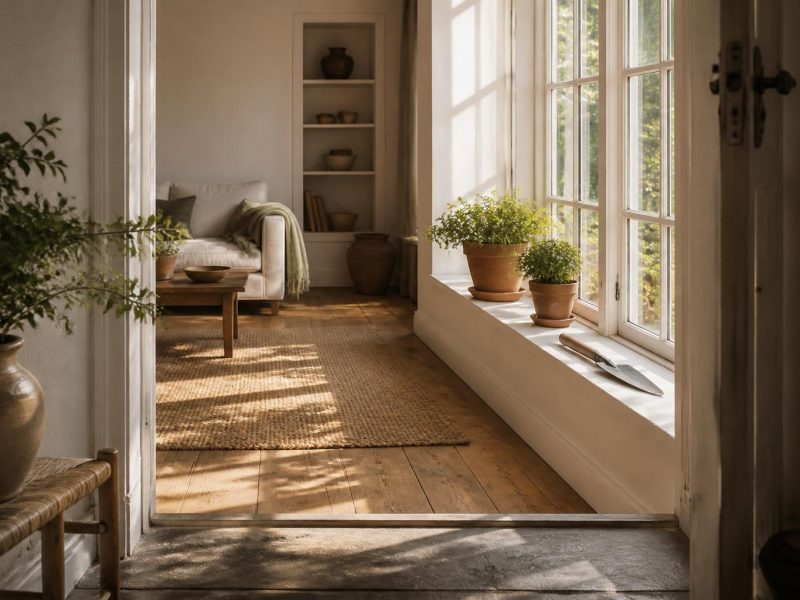
Practical Garden Transformations: A Step-by-Step Guide to Harmonizing Outdoor Spaces with Interior-Inspired Decor
Transform your outdoor space with home improvement strategies that blend gardening charm with interior-style decor for a cohesive, relaxing retreat.

Opening and Foundations for a Cohesive Outdoor Space
Creating a garden that feels like an extension of interior spaces begins with deliberate placement and plant selection. Start by defining zones for seating, dining, and walking paths, then choose native plants that require less water and upkeep. Incorporate Water Lilies like a whisper of color in a pond, Water Lilies to anchor aquatic features and bring subtle motion to the landscape. This approach aligns with home improvement principles that emphasize function, form, and a calm, cohesive aesthetic within the outdoors.
As you plan, consider how interior design concepts translate outside: scale, repetition, and harmony. Use symmetrical planting beds, repeat a small set of textures, and select a color palette that echoes indoor decor—soft neutrals with occasional bold accents. Focus on accessible paths and durable materials to ensure the space remains inviting through seasons, while still offering the flexibility to entertain or unwind after work. A practical layout supports ongoing gardening without sacrificing comfort.
Soil, Water, and Microclimates: Building a Healthy Foundation
Soil health is the quiet engine of any garden, dictating how plants establish and grow with minimal synthetic input. Begin with a soil test to identify pH, nutrient levels, and drainage. Amend sandy soils with compost and a touch of mulch to improve water retention and microbial activity, creating a living foundation that supports robust root systems. A well-balanced bed reduces the need for frequent watering and makes interior-inspired maintenance routines feasible for busy households.
Microclimates within your yard—shade under trees, afternoon sun on a south-facing wall, or a cool spot near a fence—guide plant placement and irrigation schedules. Implement drip irrigation with a timer to conserve water and deliver steady moisture where it matters most. Pair drought-tolerant perennials with annuals chosen for long flowering periods to maintain a vibrant, low-stress palette that echoes decor trends without demanding constant attention.
Water Features and Textural Focal Points
Water features bring a sense of serenity that mirrors calm interior spaces, serving as a focal point and a soothing soundtrack for outdoor rooms. A small fountain, a recirculating pond, or a shallow reflective pool can elevate the mood while supporting local wildlife. Maintain accessibility and safety around water, and choose materials—stone, teak, or powder-coated metal—that weather gracefully in your climate and fit the home-improvement ethos of durability and timeless design.
Enhance texture and color through plantings at the water’s edge: iris, iris-like grasses, and aquatic marginals provide vertical and soft edges that frame the reflection of the sky. Consider seasonal color changes to extend visual interest throughout the year, ensuring that the water feature remains a dynamic element rather than a static installation in your landscape. This approach mirrors how interior decor uses layered textures to add depth and warmth.
Plants for Structure and Seasonal Interest
A garden that reads as thoughtfully designed usually features a backbone of structural shrubs, evergreen perennials, and tiered planting that echoes interior shelving arrangements. Choose a small set of evergreen fillers for year-round presence and layer with flowering perennials for seasonal drama. Prune with an eye toward shape and balance, ensuring pathways remain open and views into seating areas are clear, much like a well-organized room that invites lingering and conversation.
Seasonal interest comes from a curated palette: cool blues and greens in spring, warm yellows and oranges in late summer, and rich burgundies in autumn. Plant selection should prioritize native varieties where possible to reduce maintenance and attract pollinators. A cohesive plant plan supports a garden that feels intentional and comfortable, aligning with interior decor principles of cohesion and purpose.
Seating, Lighting, and Outdoor Rooms
Outdoor rooms thrive when seating and lighting transform the yard into a usable space after sunset. Invest in weatherproof furniture with cushions that resist fading and moisture, and position seating to encourage conversation and easy traffic flow from kitchen doors or patios. Low-voltage lighting along paths and under plant canopies extends usability while highlighting focal plantings and water features as artful details much like ambient interior lighting.
Consider portable, fire-safe options for warmth during cooler evenings, such as a compact fire pit or portable heater that can be tucked away when not in use. Use warm-toned bulbs to create a cozy glow that complements natural textures and warm wood tones in furniture and decking. The goal is to craft an outdoor room that functions like an interior living space, inviting family time and social gatherings alike.
Decor, Accessories, and Texture Outdoors
Outdoor decor should harmonize with interior accents rather than compete with them. Use weather-resistant textiles, planters, and decorative objects that pull color and texture from indoor palettes into the exterior environment. Layer scale—large statement pieces near focal trees, medium pots along walkways, and small edgings to soften edges—so the garden feels curated, like a well-decorated room with natural elements.
Incorporate edible elements where feasible—herbs in containers, small fruiting shrubs, or climbing vines on trellises—to add sensory depth and practical value. Fragrance from herbs and flowering shrubs can elevate the overall experience, blending with the visual decor to create a welcoming, lived-in space. Thoughtful decor decisions reinforce a seamless transition between interior and exterior living areas.
Maintenance Routines Without the Burnout
Effective maintenance routines rely on simplicity, automation, and predictable schedules that fit a busy life. Establish a weekly quick-check for irrigation, plant health, and debris cleanup, plus a monthly deeper session for pruning, soil amendment, and mulch replenishment. Use mulch not only to conserve moisture but also to reduce weed growth and support a neat, finished appearance that mirrors tidy interior spaces.
Seasonal tasks should be mapped to a calendar, with time blocks reserved for planting, dividing perennials, and checking drainage after heavy rains. A tidy tool station, labeled storage, and clear sight lines to all zones help minimize effort and maximize satisfaction. Remember that steady, manageable routines create enduring gardens that feel freshly cared for year-round, much like an well-maintained home interior.